Define the fishing outing before choosing the equipment
Start with what your group would enjoy: an introduction for beginners, a focused outing for experienced anglers, or a short activity within a longer Florida Keys yacht trip. Name the people who want to fish and those who would prefer to watch or remain on the main yacht. That gives the team a useful starting point for assessing the service.
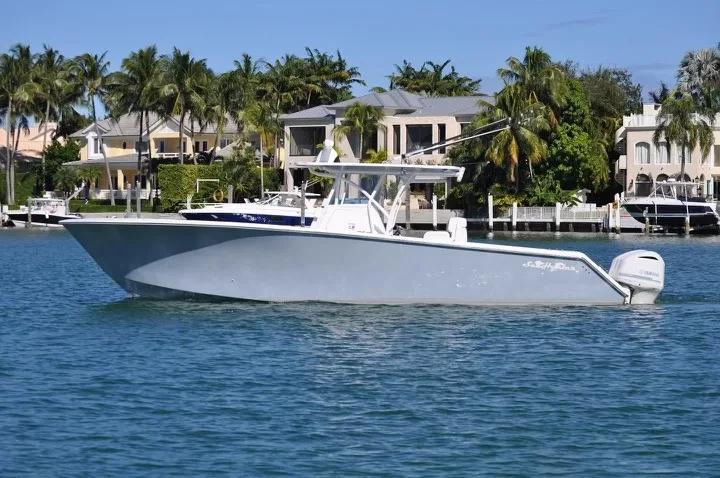
Confirm whether fishing is proposed from the charter yacht or a separately arranged fishing boat, and identify the operator responsible for it. Have that provider explain the methods, instruction and equipment suited to the proposed outing. Rods visible in a yacht photograph do not establish that a fishing service or the required permissions are included.
Confirm coverage for the actual fishing party
FWC explains that fishing customers covered by its charter captain or boat license do not need their own recreational saltwater fishing license. Ask the provider to identify the coverage for your specific booking, including the fishing vessel, participating guests and any additional permits needed for the proposed waters or species.
Give the provider an accurate angler count. FWC's guidance ties the number of fishing customers covered by a vessel license to the number specified on that license. Have the operator confirm both passenger arrangements and fishing coverage for your group. Add anyone who changes from watching to fishing to the planning conversation before the outing, rather than assuming that every place aboard carries the same permission to fish.
Connect the fishing area to the activity
NOAA's Florida Keys National Marine Sanctuary explains that fishing can involve multiple jurisdictions and different seasonal calendars. Its sanctuary rules also distinguish protections that apply throughout the sanctuary from restrictions in particular marine zones. A reef visit and a fishing stop therefore need their own location checks.
Ask the fishing operator to identify the proposed area and confirm that the intended method is permitted there. If snorkeling is also on your itinerary, let the team assess how the two activities fit the route instead of assuming they can happen at the same stop. Leave selection of the actual fishing location to the operator's assessment of current rules and conditions.
Discuss release and retention before anyone drops a line
Tell the provider whether your group prefers a release-focused experience or would like to discuss keeping a legal catch. A release-focused outing still needs the appropriate fishing permissions. For any retention request, have the operator verify the applicable species, season, size, bag and gear rules for the date and waters involved. FWC's recreational regulations page links to species-specific rules and federal resources.
Ask who handles fish, explains release practices and decides whether a fish may be retained. If keeping fish is possible, confirm any cleaning and storage arrangements separately. A fishing request should not become a promise of a particular catch, a meal aboard or preparation by a restaurant. Plan food for the day independently of what may be caught.
Review a proposal that describes the whole service
The written plan should identify the fishing boat and operator, participating anglers, proposed style of fishing, equipment and instruction included, duration and any separately arranged transport. For a multi-day yacht trip, confirm where the fishing group rejoins the main charter and what everyone else does during that time. Have both teams agree any transfer arrangements.
Send your dates, group size, angler count and experience levels, plus your preference for release or possible lawful retention. Ask for the complete quote and terms for changes, alongside confirmation of the permissions needed for the outing. Choose an experience that fits the group, with the final vessel, route and services individually confirmed.